Healthy Fast Food Options: A Practical Guide for USA
Healthy Fast Food Options: How to Eat Well on Busy Days

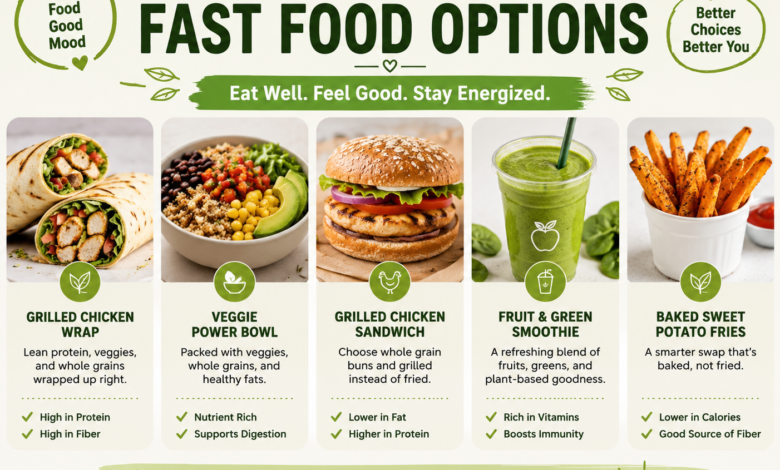
Fast food is often the easiest choice when your calendar is full, you are traveling, or you have only a few minutes between meetings. The challenge is knowing which meal will satisfy you without turning one quick lunch into most of a day’s sodium, added sugar, or saturated fat.
Fortunately, many U.S. chains publish nutrition information and allow detailed customization. You do not need a “perfect” menu item. You need a repeatable way to compare choices, adjust portions, and build a meal that fits your needs.
This guide explains what makes a fast food order healthier, which menu categories usually offer the best options, what mistakes to avoid, and how to order well when you are rushed.
What Makes a Fast Food Meal Healthy?
“Healthy” is not a single calorie number. A 350-calorie meal can leave you hungry if it contains little protein or fiber, while a larger bowl may be more balanced and satisfying. A useful meal should provide enough food for your energy needs while limiting ingredients that are easy to overconsume.
Current U.S. dietary guidance emphasizes nutrient-dense foods, including vegetables, fruits, protein foods, dairy, healthy fats, and whole grains. It also recommends reducing highly processed foods that are heavy in refined carbohydrates, added sugars, excess sodium, and less healthy fats.
When comparing healthy fast food options, look at five factors:
- Protein: Chicken, fish, eggs, beans, yogurt, tofu, or lean meat can improve fullness.
- Produce: Vegetables and fruit add fiber, volume, and useful nutrients.
- Carbohydrate quality: Beans, oats, corn, potatoes, brown rice, and whole-grain bread are generally more satisfying than oversized portions of refined bread or fries.
- Sauces and extras: Cheese, mayo, creamy dressing, queso, butter, and fried toppings can change the meal quickly.
- Sodium: The FDA’s Daily Value for sodium is less than 2,300 milligrams per day, and more than 70% of dietary sodium comes from packaged and prepared foods.
Calories still matter, but read them alongside protein, fiber, sodium, saturated fat, and added sugar. The FDA recommends using nutrition labels to choose foods higher in fiber and lower in saturated fat, sodium, and added sugars.
Use This Simple Ordering Formula
Build your meal around:
Protein + vegetables or fruit + a sensible carbohydrate + water or an unsweetened drink
For example, a grilled chicken sandwich with extra vegetables, a fruit cup, and water is usually a stronger everyday choice than a fried sandwich, large fries, and soda. A burrito bowl with chicken or beans, fajita vegetables, salsa, and a moderate rice portion is easier to balance than a large burrito with queso, sour cream, chips, and a sweet drink.
Customization matters. Instead of removing every enjoyable ingredient, choose one or two extras you genuinely want. Use sauce for flavor, order the smaller sandwich or burger, and avoid upgrading automatically.
Best Healthy Fast Food Options by Menu Type
Breakfast: Eggs, Oatmeal, and Fruit
Look for eggs, lean meat, vegetables, fruit, or oats. An egg sandwich on an English muffin can be practical, especially when paired with fruit instead of hash browns.
McDonald’s lists its Egg McMuffin as a freshly cracked egg with Canadian bacon and cheese on an English muffin and provides nutrition details through its menu and app.
At coffee chains, egg bites and plain oatmeal are useful choices. Starbucks currently lists Egg White and Roasted Red Pepper Egg Bites and Rolled & Steel-Cut Oatmeal.
Be careful with the drink. A flavored coffee with syrup, whipped cream, and sweetened milk can contain substantial added sugar. Choose plain coffee, cold brew, unsweetened tea, or fewer syrup pumps.
Grilled Chicken Meals
Choose grilled nuggets, a grilled sandwich, or a salad with grilled chicken. Add fruit, vegetables, or a small salad instead of fries.
Chick-fil-A promotes an eight-count grilled nugget order with the Kale Crunch Side as a 300-calorie combination. Its nutrition guide lists the side with four grams of fiber, although ingredients and values may vary by location.
Grilled items can still be salty. Use dipping sauces lightly and avoid adding cheese and bacon by default.
Burrito Bowls and Tacos
Mexican-inspired restaurants are easy to customize. Start with chicken, steak, beans, or vegetables. Add lettuce, fajita vegetables, tomato salsa, and a moderate portion of rice.
A reliable order is a bowl with:
- Chicken or beans
- Half a portion of rice
- Fajita vegetables
- Tomato salsa
- Lettuce
- Either guacamole or cheese
Chipotle provides a custom nutrition calculator, while Taco Bell publishes ingredient and allergen information. Taco Bell currently lists its Cantina Chicken Bowl with 25 grams of protein.
The common trap is adding queso, sour cream, cheese, guacamole, chips, and soda to an otherwise balanced bowl. Pick the extras you value most rather than selecting every available topping.
Sandwiches and Wraps
A six-inch sandwich with turkey or chicken, plenty of vegetables, mustard, and little mayo can be convenient. Choose whole-grain bread when available.
Do not assume a wrap is lighter. A large wrap may contain more refined carbohydrate than regular bread and can encourage restaurants to use larger portions of meat, cheese, and sauce.
Subway’s U.S. nutrition information shows how strongly size and toppings affect a meal. A basic six-inch turkey-based sandwich may be moderate, while specialty sandwiches with bacon, avocado, cheese, and sauces can be much heavier and higher in sodium.
For better control, choose a six-inch portion, add extra vegetables, and limit yourself to one cheese or rich sauce.
Salads and Grain Bowls
A salad is not automatically light. Fried chicken, bacon, crispy onions, cheese, candied nuts, tortilla strips, and creamy dressing can make it as heavy as a burger meal.
Choose grilled protein, beans, eggs, or tofu. Include several vegetables and request dressing on the side. Grain bowls work well when they combine greens, a moderate grain portion, protein, vegetables, and one flavorful sauce.
CAVA offers customizable Greens + Grains bowls, while Sweetgreen publishes calories and protein for its menu items. These menus provide flexibility, but toppings and dressings still need attention.
Keep one rich element, such as avocado, feta, hummus, or creamy dressing, rather than stacking all of them.
Burgers and Pizza
You do not have to remove burgers and pizza from your diet completely.
For burgers, choose a single patty, add vegetables, and skip either the cheese or special sauce. Pair it with apple slices, a side salad, or small fries instead of ordering a large combo.
For pizza, consider thin crust, vegetable toppings, grilled chicken, and lighter cheese. Two slices with a side salad are easier to manage than eating directly from a large box while working or watching television.
These meals can still contain substantial sodium and refined carbohydrates, so portion size is the main strategy.
Real-Life Ordering Examples
A content creator working from a coffee shop could choose egg bites, oatmeal, and unsweetened coffee instead of a pastry and syrup-heavy drink. The combination provides protein and carbohydrates without relying entirely on sugar for energy.
A marketer between meetings could order a chicken-and-bean bowl with fajita vegetables, salsa, lettuce, and half a portion of rice. It is portable, customizable, and filling enough to function as a proper lunch.
A small-business owner ordering lunch for a team could offer grilled chicken or turkey sandwiches, customizable bowls, fruit, salads, water, and sauces on the side. This supports different preferences without creating a separate meal that is labeled as the “diet option.”
Benefits and Limitations
Healthier fast food is practical, widely available, and relatively predictable. Nutrition calculators also let you compare meals before you reach the restaurant.
However, restaurant food can be high in sodium, portions may be larger than expected, and vegetable choices can be limited. Nutrition numbers are based on standard recipes, but actual preparation can vary.
Panera, for example, advises customers to check the nutrition and allergen information for their specific bakery-cafe because menu variations occur.
Customization also does not eliminate cross-contact risk for people with food allergies. Someone managing high blood pressure, kidney disease, diabetes, or another medical condition may need personalized guidance from a clinician or registered dietitian.
Common Mistakes to Avoid
Looking Only at Calories
A low-calorie snack may not contain enough protein or fiber to function as a complete meal. You may become hungry again shortly afterward and order additional food.
Trusting Menu Labels
Words such as “fresh,” “protein,” “plant-based,” “natural,” and “gluten-free” do not automatically mean that an item is low in sodium, added sugar, or saturated fat.
Forgetting the Drink
Soda, sweet tea, lemonade, shakes, and flavored coffee can add significant sugar without contributing much fullness. Water and unsweetened drinks are usually the simplest choices.
Ignoring Sauces and Dressings
Request sauces on the side and use enough for taste rather than assuming that you need the entire container.
Turning Every Order Into a Combo
The entrée may be reasonable before fries, dessert, and a large drink are added. Order each part of the meal deliberately rather than selecting the default combination.
Waiting Until You Are Extremely Hungry
Review the menu earlier or save two dependable orders in the restaurant app. It is easier to make a sensible decision before hunger and time pressure take over.
Expert Tips for Smarter Choices
Compare the complete order, not only the entrée. Include the side, drink, dressing, and sauce in your decision.
Use percent Daily Value when it is available. The FDA considers 5% DV or less low and 20% DV or more high for a nutrient.
Keep dependable orders saved for restaurants near your home, office, and common travel routes. This reduces last-minute decisions and makes it easier to order consistently.
Also think in patterns rather than isolated meals. One fast food lunch does not define your diet. Your usual choices over several days and weeks matter more.
Frequently Asked Questions
What is the healthiest fast food order?
There is no single best item for everyone. A strong general choice includes grilled or plant-based protein, vegetables or fruit, a moderate carbohydrate portion, limited creamy sauce, and an unsweetened drink.
A grilled chicken salad, bean-and-vegetable bowl, turkey sandwich, or egg-and-oatmeal breakfast can all work when portions and toppings are controlled.
Can I eat fast food while trying to lose weight?
Yes. Overall calorie intake matters, but protein, fiber, and portion size also affect hunger and consistency.
Choose smaller portions and avoid automatically adding fries, sugary drinks, and dessert. It is often easier to manage one satisfying meal than to order an extremely small entrée and then snack heavily later.
Are salads always healthier than burgers?
No. A salad with fried chicken, cheese, bacon, crispy toppings, candied nuts, and creamy dressing can be heavier than a simple burger.
Compare the complete nutrition information, choose grilled protein, and use dressing thoughtfully.
What fast food breakfast provides lasting energy?
Eggs, oatmeal, fruit, yogurt, or a smaller breakfast sandwich usually offer a better mixture of nutrients than a pastry alone.
Pair the meal with water, plain coffee, or unsweetened tea instead of a heavily sweetened coffee drink.
How can I lower sodium at fast food restaurants?
Choose smaller portions, avoid heavily processed meats, skip extra cheese and salty sauces, and review the restaurant’s nutrition calculator.
Balance the rest of your day with lower-sodium foods rather than trying to compensate by skipping meals.
Is grilled chicken always healthy?
Not necessarily. Grilled chicken can still be high in sodium, and cheese, bacon, dressing, or a large bun can make the overall meal heavier.
Treat grilled chicken as a useful starting point rather than a guarantee that the complete order is balanced.
What are good vegetarian fast food options?
Consider bean tacos or bowls, lentil or bean soup, vegetable sandwiches, oatmeal, yogurt, or salads with beans, tofu, eggs, or cheese.
Check sauces, broths, and cooking methods if you follow a strict vegetarian or vegan diet.
Conclusion
Healthy fast food options are less about finding a flawless menu item and more about building a sensible meal. Start with protein, add vegetables or fruit, choose a reasonable carbohydrate portion, control sauces, and select water or an unsweetened drink.
Use restaurant nutrition tools when available, especially to check sodium and serving size. With two or three reliable orders saved in advance, fast food can remain convenient without becoming an all-or-nothing decision.
