Fashion Photography: A Complete Guide for Creators
Fashion Photography: A Practical Guide for Better Brand Images

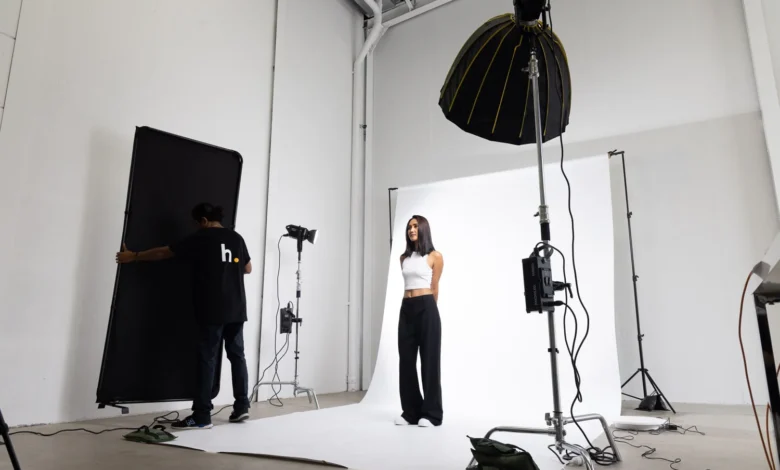
Fashion photography can look effortless when the final image appears on a website, magazine page, social media feed, or advertising campaign. Behind that polished result, however, is a series of decisions involving the clothing, model, lighting, background, camera position, styling, editing, and intended audience.
This creates a common problem for content creators and small businesses. They may have attractive products but struggle to photograph them in a way that feels professional, consistent, and relevant to their customers. A technically sharp image is not always a useful fashion image. The photograph must also communicate fit, texture, mood, quality, and brand personality.
This guide explains how fashion photography works, the main styles you can use, how to plan a successful shoot, and how to avoid mistakes that waste time and money. It is designed for photographers, marketers, online sellers, influencers, and growing fashion businesses in the United States.
What Is Fashion Photography?
Fashion photography is the creation of images that present clothing, footwear, jewelry, accessories, styling, or a fashion-related idea. Its purpose may be artistic, commercial, editorial, or informational.
Unlike a standard portrait, where the person is usually the main subject, a fashion photograph must balance the model and the product. The model brings movement, expression, and context, but the clothing or accessory still needs to remain visually important.
Fashion photography also differs from basic product photography. A product photograph may show a shirt against a white background so customers can inspect it clearly. A fashion image might show the same shirt styled with pants, shoes, makeup, and a specific location to communicate the lifestyle associated with the brand.
A successful image answers at least one of these questions:
- What does the product look like?
- How does it fit or move?
- Who is it designed for?
- What feeling does the brand want to create?
- Why should the viewer remember this collection?
The strongest shoots usually begin with the purpose of the image, not with the camera or lighting equipment.
The Main Types of Fashion Photography
Choosing the correct style is important because an artistic editorial image will not always work on a product page, while a clean catalog image may feel too plain for a brand campaign.
Editorial Fashion Photography
Editorial fashion photography uses styling and visual storytelling to communicate an idea, theme, season, or cultural mood. The images may appear in magazines, blogs, portfolios, or creative publications.
The clothing is important, but it becomes part of a larger story. Dramatic lighting, unusual poses, expressive makeup, and distinctive locations are common. The goal is often to make the viewer feel curious rather than to explain every product detail.
For example, a sustainable clothing brand might photograph a collection in a restored industrial building, using natural textures and muted colors to support its environmental message.
Commercial and Campaign Photography
Commercial fashion photography is produced to promote a company, collection, or product. It may be used in paid advertisements, store displays, email campaigns, billboards, landing pages, or social media promotions.
Campaign images need creative impact, but they must also support a marketing objective. The product should remain recognizable, the brand tone should be clear, and the composition should leave enough space for headlines or buttons when required.
A campaign for a summer footwear collection, for instance, might combine close product details with wider lifestyle scenes showing the shoes being worn outdoors.
E-Commerce Fashion Photography
E-commerce photography helps online shoppers evaluate a product before purchasing it. It normally uses consistent backgrounds, accurate colors, repeatable poses, and several views of each item.
A useful product set may include:
- Front, back, and side views
- Close-ups of stitching, fabric, fasteners, or patterns
- Full-body images showing fit
- Movement shots
- Styled images suggesting how the product can be worn
Creativity should not interfere with clarity. Customers need to see the actual shape and condition of the item, not only an attractive interpretation of it.
Lookbook Photography
A lookbook presents a collection as a connected visual series. It may be created for customers, wholesale buyers, retailers, press contacts, or internal sales teams.
Lookbook photography usually combines the consistency of e-commerce content with the personality of an editorial shoot. The setting and lighting remain controlled, while the poses and styling help each outfit feel complete.
Every photograph should look as though it belongs to the same collection. Changes in color temperature, backdrop tone, crop, or editing can make the finished lookbook feel disconnected.
Lifestyle and Social Media Photography
Lifestyle fashion images show products in believable situations, such as walking through a city, attending an event, exercising, traveling, or relaxing at home.
This style works well for social media, creator partnerships, blog content, and digital advertising because it helps viewers imagine the product in their own lives.
The scenes should still be planned. “Natural” does not mean random. The location, props, activity, and model should reflect the intended customer.
How a Professional Fashion Shoot Works
Good fashion photography begins before anyone steps in front of the camera. Pre-production often determines whether the shoot runs smoothly or becomes an expensive collection of last-minute decisions.
Adobe’s fashion photography guidance also emphasizes experimentation, planning, lighting, and developing confidence through repeated practice rather than waiting for perfect equipment or clothing.
Define the Business Goal
Start by identifying where the images will be used.
A homepage banner requires a different composition from an Instagram Reel cover. An online store may need consistent vertical images, while an advertising campaign may need horizontal versions with empty space for copy.
Before planning the creative direction, answer these questions:
- What product or collection is being promoted?
- Who is the intended customer?
- What action should the viewer take?
- Which platforms will display the images?
- How many final photographs are required?
- Are horizontal, vertical, and square crops needed?
This step prevents a common problem: producing beautiful images that do not fit the website, advertisement, or social platform.
Develop a Creative Concept
A creative concept gives the shoot a visual direction. It can be simple, such as “clean, modern workwear,” or more expressive, such as “bright summer clothing inspired by 1990s beach culture.”
Create a mood board showing references for:
- Lighting
- Color palette
- Model expressions
- Poses
- Hair and makeup
- Locations or backdrops
- Props
- Image crops
- Editing style
References should communicate direction rather than encourage copying. The final work should reflect the brand’s own products, customers, and visual identity.
Prepare a Detailed Shot List
A shot list identifies every image that must be captured. This is especially important when several outfits, products, models, or platforms are involved.
For each outfit, specify the required framing. This could include a full-body front view, three-quarter pose, back view, seated image, fabric detail, movement shot, and horizontal campaign image.
Mark essential shots separately from optional creative ideas. Complete the essential list first. Additional experimental photographs can be taken once the required content is secure.
Organize the Team and Wardrobe
Depending on the scale of the project, a fashion shoot may involve a photographer, model, stylist, makeup artist, hair stylist, creative director, assistant, retoucher, and client representative.
Small businesses may combine several of these roles. The owner might direct the brand, organize clothing, and approve images while a photographer manages lighting and camera work.
Inspect every garment before the shoot. Remove wrinkles, lint, loose threads, stickers, and packaging marks. Bring clips, pins, fashion tape, a lint roller, steamer, basic sewing supplies, and replacement accessories.
Fixing a twisted collar on set takes seconds. Repairing it in dozens of photographs during editing takes much longer.
Camera, Lens, and Technical Setup
Fashion photography does not require the most expensive camera available. It requires reliable equipment that produces consistent files and allows control over focus, exposure, and lighting.
Choosing a Camera
A modern mirrorless camera or DSLR with interchangeable lenses is suitable for most professional fashion work. More important features include dependable autofocus, adequate resolution, good color performance, and the ability to connect with external lighting.
Smartphones can produce effective social content when used with controlled lighting, stable framing, and careful editing. They may be less suitable when the final images require large prints, heavy cropping, advanced flash systems, or extensive commercial retouching.
Choosing Lenses
A 50mm lens is useful for natural-looking full-body and three-quarter images. An 85mm lens can create flattering portraits and detail shots with less background distraction. A 24–70mm zoom is flexible for studio shoots and fast-moving productions.
Very wide lenses can distort the body when used too close to the model. Arms, legs, or shoes near the edge of the frame may appear unnaturally large. Use wide angles intentionally rather than by accident.
Exposure and Focus
For moving models, select a shutter speed fast enough to avoid motion blur. Keep focus on the eyes for portraits, but check whether the clothing also remains sufficiently sharp.
When photographing e-commerce products, use consistent exposure and white balance throughout the collection. Changing automatic settings from one image to another can create unnecessary editing work and inaccurate product colors.
Shooting in RAW format gives greater control over exposure, white balance, shadows, and color during post-production.
Lighting Fashion Photography Effectively
Lighting determines how the viewer sees the model, garment, fabric, and mood.
Soft light can make skin and fabric transitions appear smooth. Hard light produces sharper shadows and may create a bold, graphic appearance. Neither is automatically better. The correct choice depends on the concept and product.
A Simple One-Light Setup
For a small studio, place one large softbox slightly above the model and about 45 degrees to one side. Use a white reflector or foam board on the opposite side to soften shadows.
This setup is affordable, easy to repeat, and suitable for portraits, lookbooks, and small business content.
Nikon’s portrait guidance notes that softer, redirected light and thoughtful posing can reduce distracting shadows and help isolate the subject from the background.
Natural Window Light
A large window can provide attractive fashion lighting. Position the model near the window and adjust the angle until the face and clothing receive even illumination.
Avoid mixing window light with warm indoor bulbs unless the color difference is intentional. Turn off conflicting lights or correct them with suitable lighting equipment.
Outdoor Lighting
The middle of a sunny day can create deep eye shadows and bright highlights. Open shade, cloud cover, or early and late daylight is often easier to control.
A diffuser can soften direct sunlight, while a reflector or portable flash can add light to the face. On-location fashion work also benefits from matching wardrobe colors to the surroundings. Nikon photographer Joe McNally’s location examples illustrate how lighting, wardrobe color, and environmental contrast can work together without making the setup unnecessarily complicated.
Posing and Directing Models
Many new photographers ask models to “just pose,” then wait for something interesting to happen. Clear direction produces more consistent results.
Instead of giving vague instructions, use small, specific actions:
“Turn your shoulders slightly away from me.”
“Shift your weight onto your back leg.”
“Hold the jacket at the collar.”
“Walk slowly toward the light.”
“Look past the camera, then turn your eyes back.”
Pay attention to hands, fingers, shoulders, posture, and the position of the clothing. A hand can hide an important pocket, logo, sleeve detail, or waistline.
Movement is especially useful when photographing dresses, coats, sportswear, and loose fabrics. Ask the model to walk, turn, adjust a sleeve, or interact with a prop. Use short bursts where appropriate, but avoid capturing hundreds of nearly identical frames.
Respectful communication is part of good direction. Explain poses verbally or demonstrate them instead of physically repositioning the model without permission.
Editing Without Misrepresenting the Product
Post-production should improve
the photograph without making the product misleading.
Basic editing may include exposure correction, color balance, cropping, background cleanup, skin retouching, fabric cleanup, and removal of temporary distractions.
For commercial product images, preserve the true color, shape, texture, and fit of the garment. Excessive body reshaping or fabric manipulation may create customer expectations the real item cannot meet.
Create a repeatable editing standard covering:
- Skin texture
- Background color
- Contrast
- Saturation
- Fabric detail
- Cropping
- File dimensions
- Export quality
Compare images side by side before delivery. A single photograph may look acceptable on its own while appearing too warm, dark, or saturated beside the rest of the collection.
Using Fashion Images for Marketing
One well-planned shoot can support several weeks of content when the deliverables are considered in advance.
A small clothing brand could use:
- Clean images on product pages
- Wider lifestyle images on its homepage
- Vertical crops for Instagram Stories and Pinterest
- Detail shots in email campaigns
- Behind-the-scenes images for social media
- Horizontal images for paid advertisements
- A coordinated lookbook for buyers or press
Do not publish the same crop everywhere. A subject centered for a square post may leave no room for text in a banner advertisement.
Create a delivery folder for each channel and use clear filenames. A filename such as womens-linen-jacket-front-beige.jpg is more useful than DSC_4837-final2.jpg.
Write descriptive alt text for website images. Alt text should explain what is visibly shown, such as “Model wearing a beige linen jacket with matching wide-leg pants,” rather than stuffing it with promotional keywords.
Benefits and Limitations of Fashion Photography
Professional fashion photography can strengthen brand recognition, explain products more clearly, and create a consistent customer experience. It also allows one collection to be presented differently for product pages, advertising, social media, and editorial content.
However, a fashion shoot can require significant coordination. Studio rental, talent, styling, makeup, equipment, transportation, editing, and licensing may increase costs.
The images can also become outdated when products sell out, campaigns change, or visual trends move on. Businesses should therefore separate long-lasting brand images from short seasonal content.
Limited budgets are not always a barrier, but they require tighter planning. A simple concept completed well usually performs better than an ambitious idea with weak styling, poor lighting, or incomplete deliverables.
Common Fashion Photography Mistakes
Focusing on the Model but Ignoring the Clothing
The model may look excellent while a sleeve is folded incorrectly, a necklace is hidden, or the garment shape is unclear. Review both the person and the product after each setup.
Using the Wrong Background
A background should support the product, not compete with it. Patterns, bright colors, or clutter can make important details difficult to see.
Inconsistent Product Colors
Incorrect white balance and mixed lighting can make the same item appear different across images. Use a gray card or reliable color reference when accurate color is important.
Forgetting Platform Requirements
Photographers often capture only vertical full-body images, then discover the client needs horizontal website banners. Confirm dimensions and crops before shooting.
Over-Retouching
Removing every skin line, fabric fold, or natural texture can make the image artificial. Retouch distractions, not reality.
Skipping Legal Documentation
Verbal approval is not a dependable substitute for clear written agreements. Confirm payment, usage, delivery dates, image rights, credit, exclusivity, and cancellation terms before the shoot.
Copyright, Licensing, and Model Releases in the USA
In the United States, copyright protection generally begins when an original photograph is created and fixed in a tangible form. The U.S. Copyright Office explains that registration creates a public record and provides additional legal benefits, including requirements connected with bringing infringement claims for U.S. works and seeking certain remedies.
Ownership and permission to use an image are different matters. A photographer may own the copyright while granting a client limited usage rights for a website, advertising campaign, territory, or period.
A licensing agreement should clearly define where the photographs may appear, how long they may be used, whether the license is exclusive, and whether the client may edit or transfer the files.
Commercial images featuring recognizable people commonly require appropriate model releases. ASMP guidance describes a model release as written permission covering specified uses and recommends clearly explaining the planned use to the person being photographed.
Contracts should also address property permissions, minors, artificial intelligence editing, image training, and synthetic alterations where relevant. Current ASMP guidance recommends defining whether AI-related modifications or training uses are permitted rather than leaving these issues unclear.
Legal requirements can vary by state and situation, so businesses should obtain qualified legal advice for important commercial campaigns.
Practical Recommendations for Better Results
Begin with a clear business goal and build the creative idea around it. Create a shot list that includes both product information and brand storytelling.
Keep the first setup simple. A clean background, one large light source, thoughtful styling, and confident direction can produce more useful images than a complicated arrangement that is difficult to control.
Review photographs at full size during the shoot. Check focus, makeup, fabric, accessories, labels, wrinkles, and background edges before changing outfits.
Capture variations while the setup is ready. After taking the main image, create a close-up, horizontal version, vertical version, and movement shot. This increases the value of the shoot without requiring a completely new production.
Finally, organize and back up the files. Keep original RAW images, selected photographs, edited masters, exported files, contracts, shot lists, and releases in clearly labeled folders.
Frequently Asked Questions
Is fashion photography the same as portrait photography?
No. Portrait photography mainly communicates the personality or appearance of a person. Fashion photography must also present clothing, accessories, styling, and brand identity. The two fields use many of the same lighting and posing techniques, but their priorities are different.
Can I do fashion photography with a smartphone?
Yes, especially for social media and small online campaigns. Use strong lighting, clean backgrounds, a stable camera position, and careful editing. A dedicated camera becomes more useful when you need advanced flash control, large print files, fast autofocus, or extensive cropping.
What is the best lens for fashion photography?
There is no single best lens. A 50mm lens is versatile, an 85mm lens works well for portraits and details, and a 24–70mm zoom provides flexibility. The choice depends on your location, framing, camera sensor, and desired visual style.
How many images should a fashion product page include?
There is no fixed number, but customers should be able to understand the front, back, fit, fabric, and important details. A basic set may contain four to eight useful images. Complex garments may require additional close-ups or movement views.
Do fashion photographers need model releases?
A release is commonly needed when recognizable people appear in commercial marketing or advertising. Editorial and commercial rules can differ, and state laws may also apply. The planned use should be reviewed before publishing the image.
How much editing is acceptable?
Editing should improve presentation while preserving a truthful representation of the person and product. Correcting exposure, color, temporary blemishes, dust, and background distractions is common. Changing the garment’s real color, fit, or construction can mislead customers.
How can a small business reduce fashion photography costs?
Plan several uses for each setup, limit unnecessary location changes, prepare the clothing before the shoot, and capture multiple formats while the model and lighting are ready. A small number of well-planned outfits often produces better results than a large, disorganized collection.
Conclusion
Fashion photography is not simply the process of photographing attractive clothing on a model. It is a combination of product communication, visual storytelling, production planning, technical control, and marketing strategy.
The best results begin with a clear understanding of the audience and intended platform. From there, the photographer and brand can choose the right style, prepare a detailed shot list, control lighting and color, direct the model effectively, and edit the images without misrepresenting the product.
Creators and small businesses do not need an enormous production budget to make strong fashion content. They need a focused concept, careful preparation, consistent execution, and photographs designed for real business use.